Goodbye, Johnny Angel: Remembering the Remarkable Life and Enduring Legacy of Shelley Fabares
Hollywood has lost one of the familiar faces and warmest personalities of classic American television. Shelley Fabares, the beloved actress and singer whose career stretched from the golden age of family sitcoms to one of the most popular comedies of the 1990s, has died at the age of 82.
Fabares died in Los Angeles on August 22, 2026, surrounded by loved ones. Her family announced her passing the following day. No official cause of death was initially disclosed, although some reports described her death as following a brief illness.
Born Michele Ann Marie Fabares in Santa Monica, California, on January 19, 1944, Shelley entered show business while still a child. Acting was already part of her family heritage—her aunt was celebrated actress and comedian Nanette Fabray. Fabares’ first television credit came when she was only 10, appearing on The Loretta Young Show. Other early appearances included Captain Midnight, Annette and films such as The Girl Rush and Never Say Goodbye.
America’s Television Daughter
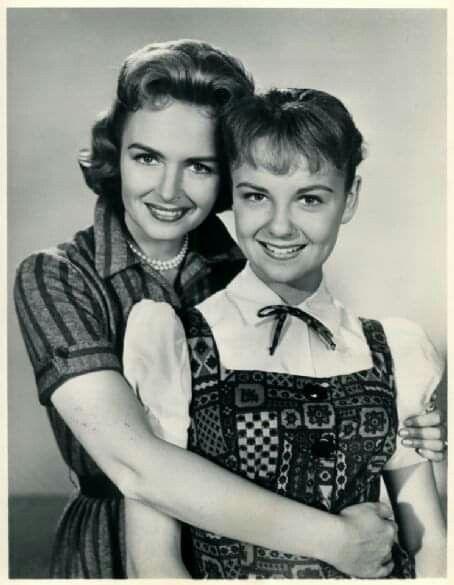
Everything changed in 1958 when 14-year-old Fabares was cast as Mary Stone on The Donna Reed Show.
For millions of Americans, Shelley seemingly grew up alongside them. As Mary, she helped create an idealized but comforting portrait of American family life that became an enduring piece of television history.
Behind the scenes, Donna Reed became much more than a co-star. Fabares later spoke movingly about Reed’s influence, remembering her strength, kindness, integrity and compassion. The years she spent on the series between the ages of 14 and 19 helped shape not only the performer she became, but the woman she became.
Then came something unexpected: pop stardom.
In 1962, Fabares recorded “Johnny Angel.” The song soared to No. 1 on the Billboard Hot 100, transforming the television star into a recording sensation and giving her a song that would remain forever associated with the innocence and romance of early-1960s pop culture.
From Elvis Presley to Brian’s Song
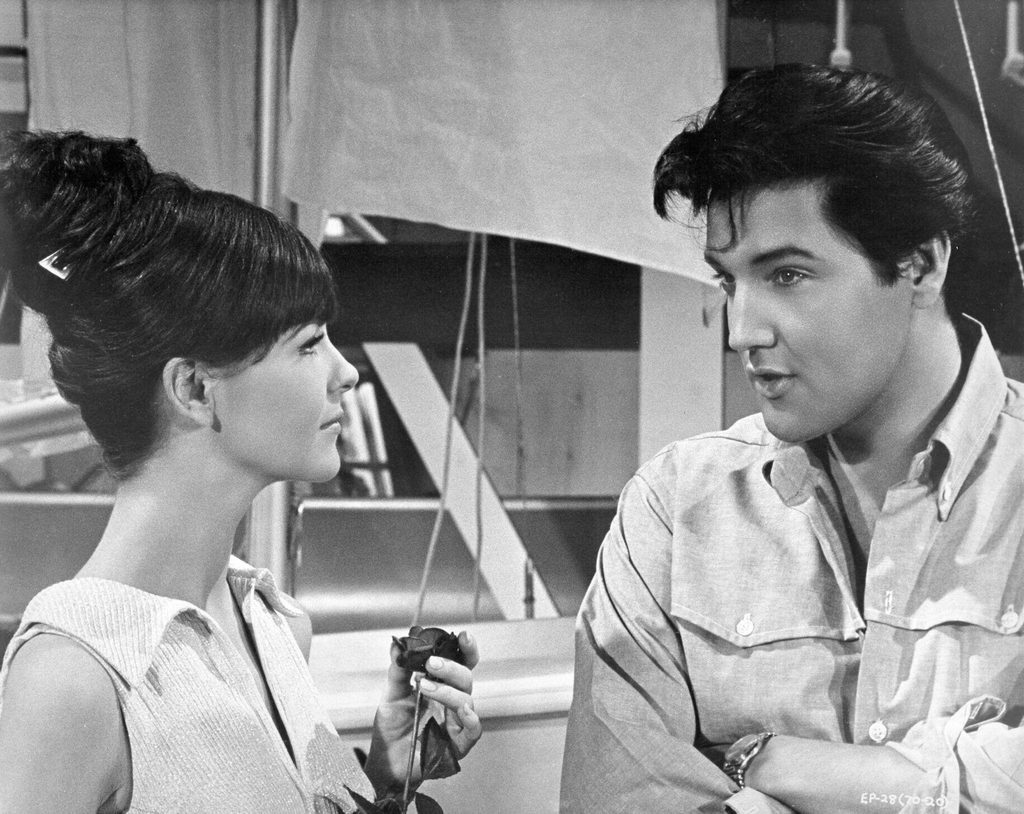
Fabares successfully moved from television into movies, most famously becoming a leading lady opposite Elvis Presley three times.
She appeared with Elvis in Girl Happy (1965), Spinout (1966) and Clambake (1967). Those colorful musical comedies introduced Fabares to another enormous audience and forever connected her with one of the greatest icons in entertainment history.
Her career, however, was never limited to lighthearted entertainment. In 1971 she appeared as Joy Piccolo, wife of football player Brian Piccolo, in the acclaimed television movie Brian’s Song. The emotional drama became one of the most remembered television films of its era.
Fabares continued working steadily throughout the 1970s, including memorable appearances on One Day at a Time as Francine Webster.
A New Generation Discovers Shelley
Then, in 1989, Shelley Fabares found another defining role.
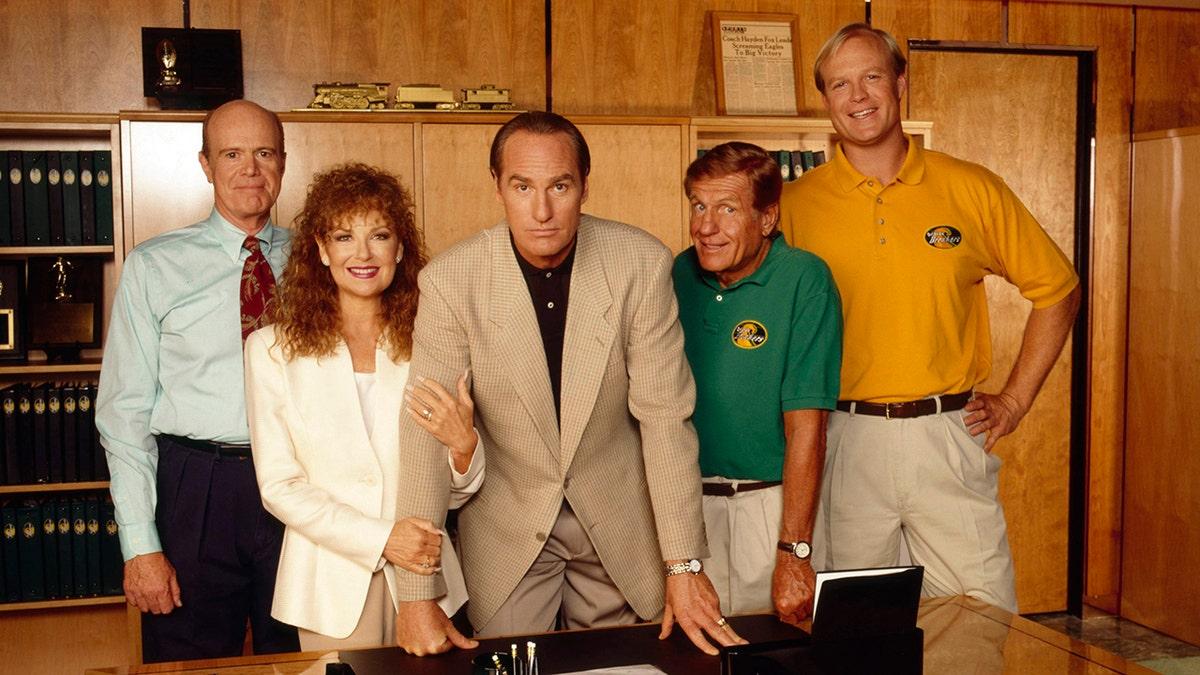
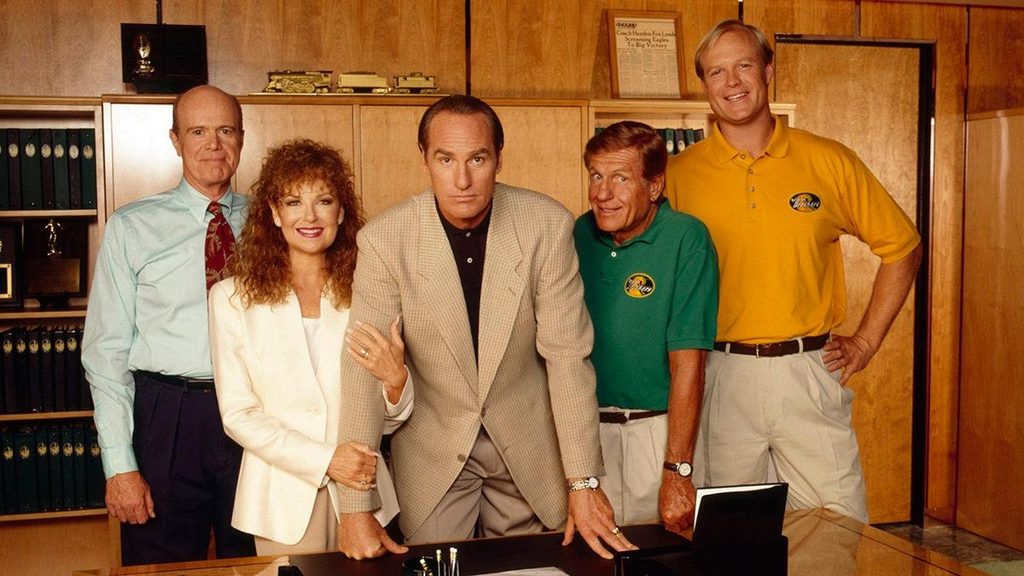
As Christine Armstrong on Coach, she became a television favorite all over again. Opposite Craig T. Nelson’s Hayden Fox, Christine was intelligent, independent, successful and capable of standing toe-to-toe with the stubborn football coach she loved.
Coach ran for nine seasons, and Fabares received two Primetime Emmy nominations for her performance. For viewers who had never seen The Donna Reed Show, Shelley wasn’t a former teenage star—she was simply Christine.
That ability to connect with entirely different generations was one of the remarkable qualities of her career.
Courage Away From the Camera
Fabares’ life also included serious personal challenges. After her mother developed Alzheimer’s disease, Shelley became an advocate for greater awareness and research into the illness.
She later faced a life-threatening health crisis of her own. Progressive liver failure eventually required a liver transplant in October 2000, following approximately 22 months on the transplant waiting list. She later spoke openly about how profoundly the experience changed her and about her gratitude toward those who supported her through it.
At her side was her husband, actor Mike Farrell, beloved by television audiences as B.J. Hunnicutt on M*A*S*H. The two married in 1984 and shared more than four decades together.
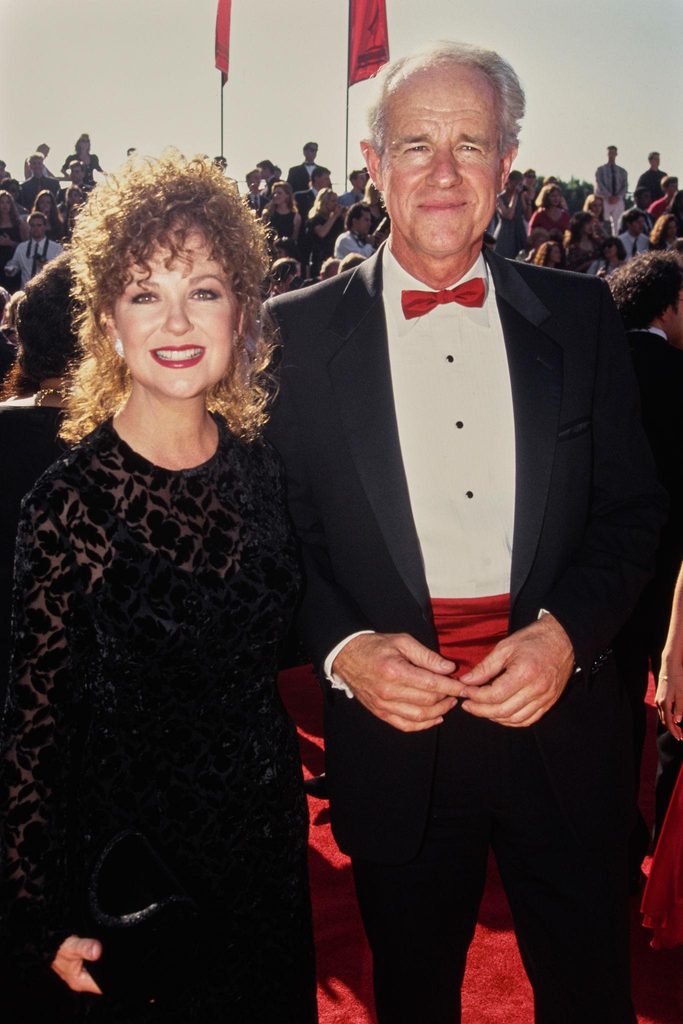
Following her death, Coach co-star Craig T. Nelson remembered Fabares as an extraordinary woman and an important part of his life, recalling the warmth and wisdom she brought both to their work and their friendship.
More Than a Television Star
Shelley Fabares leaves behind something increasingly rare: a career that became part of the memories of several generations.
Some will always remember Mary Stone sitting in the Stone family home.
Others will hear the opening notes of “Johnny Angel” and instantly return to 1962.
Elvis fans will remember the beautiful young actress sharing the screen with the King.
Football fans and lovers of classic television drama may remember Brian’s Song.
And an entirely different generation will forever see her as Christine Armstrong, patiently attempting to bring some reason into Hayden Fox’s football-obsessed world on Coach.
Yet the most touching tributes following her passing have focused not on ratings, records or awards, but on Shelley Fabares the person. Her family remembered her for her kindness, loyalty, wit, courage and ability to make the people around her feel valued and cared for.
That may ultimately be the finest legacy any performer can leave.
Shelley Fabares spent most of her life entertaining America. She made audiences laugh, cry, sing and remember. From The Donna Reed Show to “Johnny Angel,” from Elvis Presley to Coach, her work became woven into the fabric of American popular culture.
Rest in peace, Shelley Fabares—an actress, singer, survivor and television icon whose beautiful spirit will live on every time another generation discovers her work.